October 9, 2026
Your floors work harder than any other surface in your home. Every morning routine, muddy boot, dropped pot, and game of tag takes a toll. In New England, where snow, road salt, and humidity swing wildly from season to season, that toll adds up even faster. The tricky part is that flooring rarely fails overnight. It declines slowly, and most of us adjust without noticing. A creak here, a stain there, a corner that's started to lift, and suddenly we're stepping around problems we've stopped seeing. Over time, those small compromises become part of daily life, and it's easy to forget how much better a well-kept floor can look and feel.
Knowing when to stop patching and start replacing can save you money, protect your family's safety, and even boost your home's value. Catching problems early also gives you more choices, more time to plan, and a lot fewer surprises once the work begins. Whether you've got hardwood in the living room, tile in the entryway, or laminate in the basement, the warning signs tend to look similar. Here are five clear signs it's time to think about new flooring, along with what each one means for your home and your budget.
1. Worn and Scratched Areas
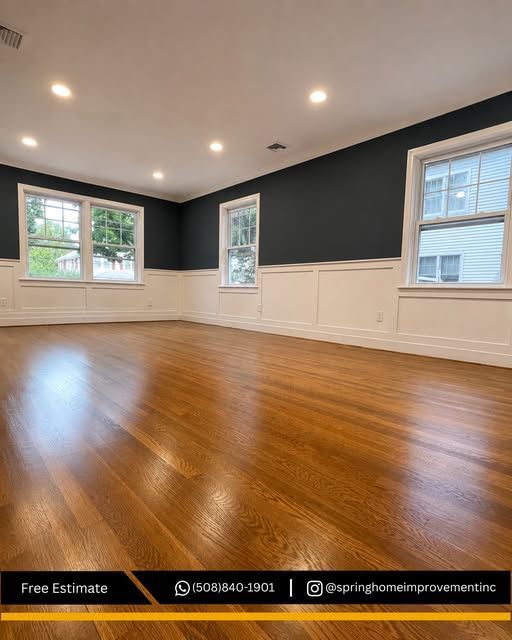
Some wear is normal, and a little patina can even add character. But there's a real difference between charming and tired. If your hardwood has deep scratches that cut through the finish, dull patches where traffic is heaviest, or gray, bare-looking areas in front of the sink and doorways, the protective layer is gone. Once that happens, moisture and dirt can sink right into the wood, and the damage speeds up.
Laminate and luxury vinyl show their age too, through peeling edges, faded patterns, and gouges that reveal the layer underneath. Refinishing can rescue solid hardwood that's only damaged on the surface, but if it's already been sanded a few times or the planks are thin, replacement is the smarter move. A quick test is to look at your floors in natural daylight. If what you see makes you wince rather than smile, it's probably time for a professional opinion.
2. Soft, Bouncy, or Uneven Surfaces
Your feet often notice problems before your eyes do. When you cross a room and feel a spongy spot, a bounce that wasn't there before, or a slope that would send a marble rolling away, something's going on beneath the surface. Squeaks and creaks can be harmless, but persistent movement may point to a damaged or poorly prepared subfloor, loose fasteners, or moisture trapped underneath. Tile that's cracking along a straight line often signals the same kind of shifting below.
These aren't just cosmetic issues. Uneven flooring is a trip hazard, and soft spots can mean rot is quietly spreading. Covering the problem with new planks won't solve it, which is why proper subfloor preparation matters so much during any flooring installation. A skilled installer will inspect, repair, and level the base before a single new board goes down, so your floor stays flat, quiet, and solid for years.
3. Water-Damaged or Mold Issues
Water is the biggest enemy of any floor, and it doesn't take a flood to cause trouble. Cupped boards with raised edges, buckling planks, dark stains, and lifting vinyl corners all point to moisture. So does a musty smell that won't go away, even after a thorough cleaning. Basements are especially vulnerable, and so are kitchens and bathrooms, where leaks from dishwashers, sinks, and tubs can seep under the surface for months without anyone noticing.
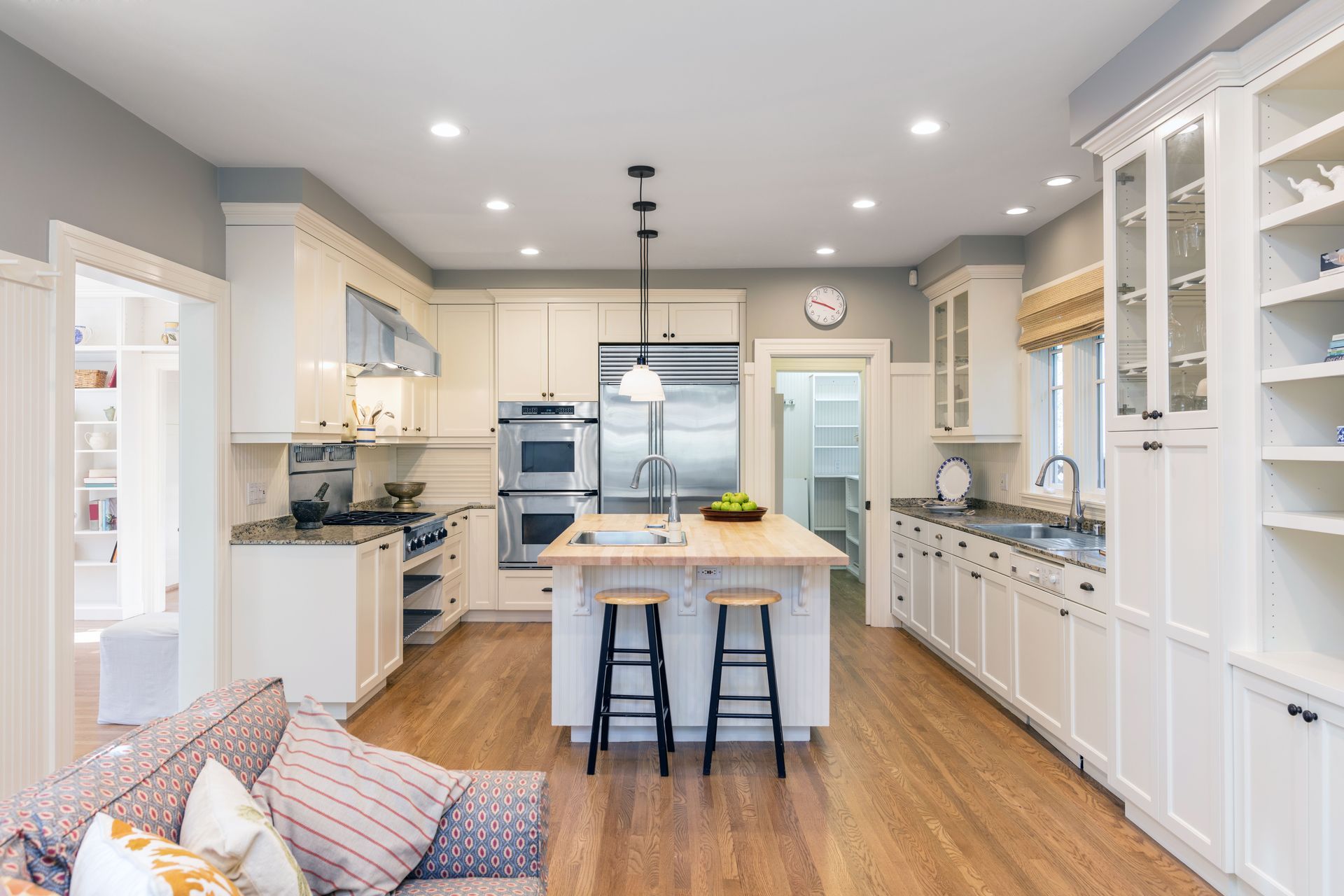
If you're planning kitchen remodeling, it's worth inspecting the floor closely before new cabinets go in, since hidden damage is far easier to fix while the room is already open. Mold is a health concern as well as a structural one, and it rarely stays confined to the visible spot. When moisture has soaked through the flooring material, replacement is almost always the safest answer. Switching to water-resistant options like tile or luxury vinyl can keep the problem from coming back.
4. Outdated or Out of Step Flooring
Sometimes the floor isn't damaged at all. It's just stuck in another decade. Orange-toned oak, builder-grade carpet, or worn-out linoleum can make an otherwise lovely room feel dated, and no amount of new paint or furniture will hide it. You're far from alone in feeling this way. According to the National Association of Realtors, about 30% of homeowners have remodeled specifically to upgrade outdated materials and surfaces in their homes, and flooring is one of the most visible surfaces there is.
New flooring ties a room together and sets the tone for everything else, from wall color to lighting. It matters if you plan to sell, too, since buyers notice floors the moment they walk through the door. Many homeowners find that kitchen remodeling and flooring updates work best together, because a fresh floor gives new cabinets and countertops the right foundation to shine.
5. Small Repairs That Cost Too Much
Here's a sign that's easy to miss because it creeps up slowly: your repair list keeps growing. Maybe you replaced a few planks last spring, patched the tile grout over the winter, and just paid someone to re-glue a seam in the vinyl. Individually, those fixes seem reasonable. Added together, they can rival the price of a brand-new floor, and you still don't have one. Older floors also demand more cleaning, more refinishing, and more attention just to look presentable.
If you can't find matching boards or tiles anymore, or if repairs never seem to last, you're paying for a temporary answer. A good rule of thumb is that when repairs start to feel like a recurring expense, it's time to compare that spending against the cost of full replacement. New flooring comes with fresh warranties, easier maintenance, and the peace of mind that comes from knowing you won't be making another repair call next month.
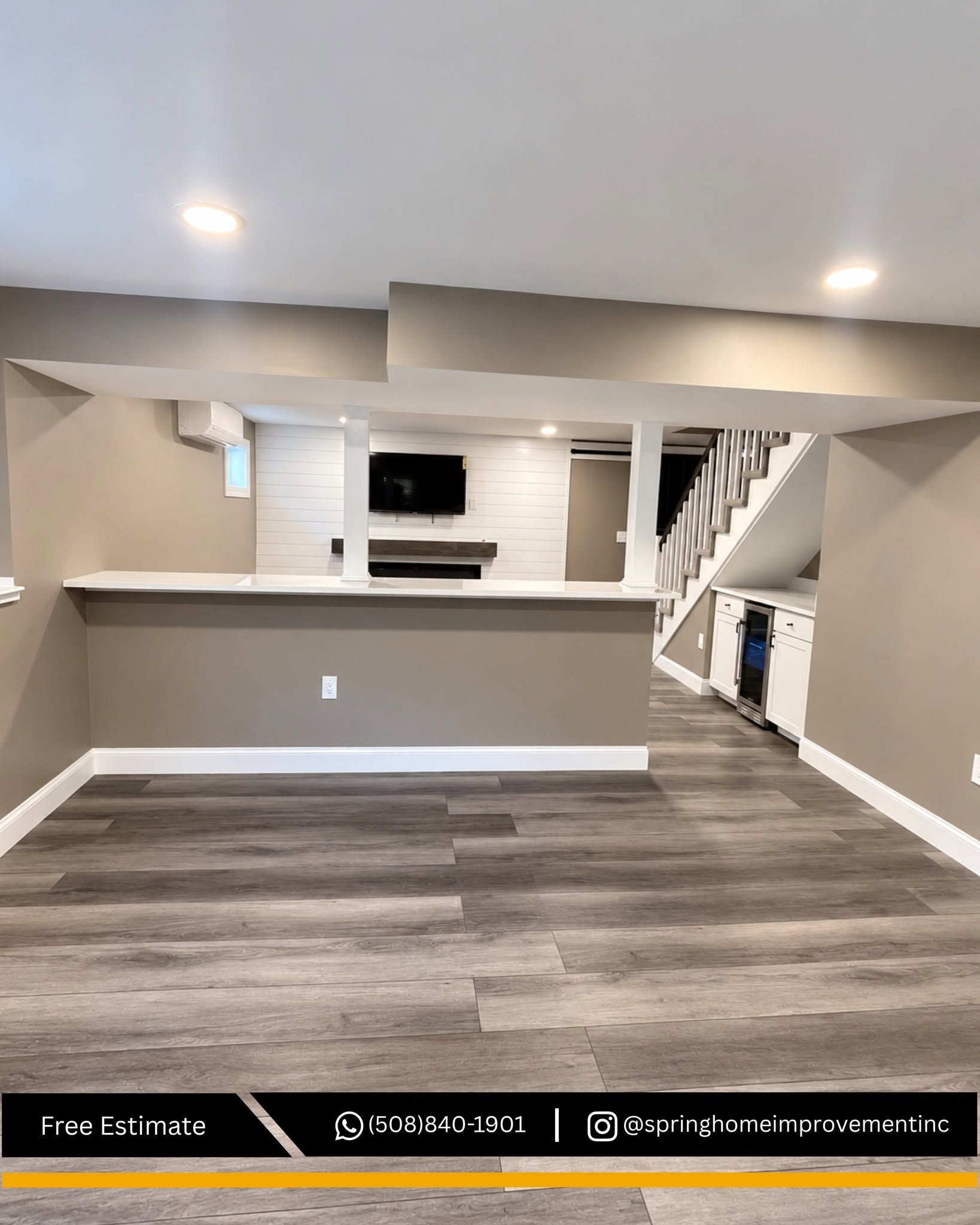
If you've recognized your home in even one of these signs, you're not alone, and you don't have to figure out the next step by yourself. Worn surfaces, soft spots, water damage, dated looks, and endless repairs are all ways your floors tell you something needs to change. Replacing them is an investment that pays you back every day through comfort, safety, easier cleaning, and a home you're proud of. It can also be the first step toward bigger plans, from kitchen remodeling to a finished basement or a full home renovation.
The key is working with licensed, insured professionals who'll walk you through material choices like hardwood, tile, laminate, and luxury vinyl, explain costs honestly, and handle the installation with care. They'll also coordinate the details that make a project run smoothly, such as scheduling, permits, and cleanup, so you aren't left juggling everything while you're trying to enjoy your home.
Start by walking through your home with fresh eyes, noting what you see and feel underfoot. Then reach out for a free estimate so you can compare your options with confidence and plan a floor that fits your lifestyle and budget. Ready to pick out new flooring? Call or text today to schedule your free estimate with Spring Home Improvement Inc and give your home the floors it deserves.